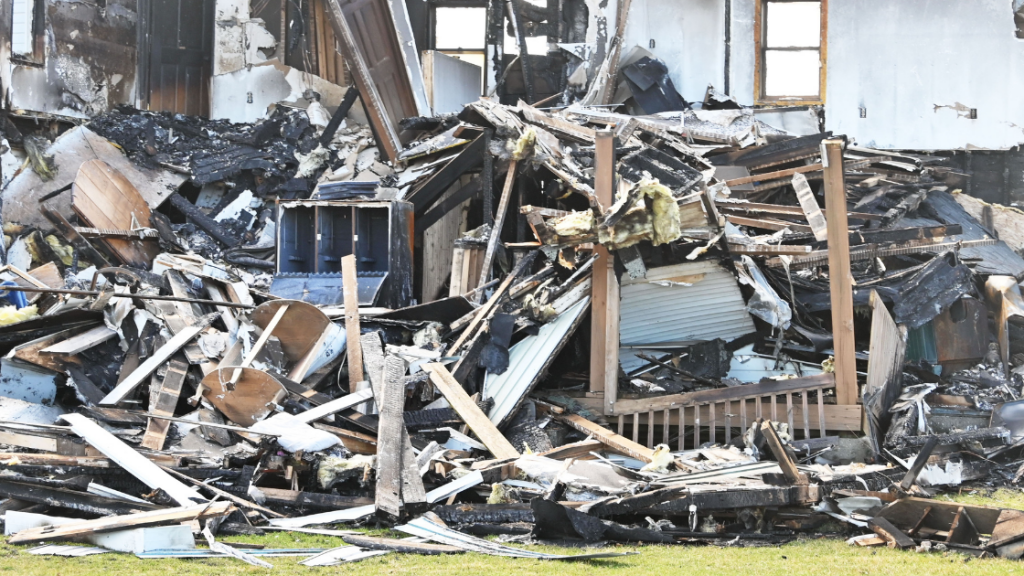
Most Prevalent Causes of Water Damage

1

Water damage happens when excess water gets pooled in unsuitable areas. There are many reasons why excess water gets pooled and contributes to water damage. You should know the potential causes to ensure you do not suffer a flood or leak.
Water damage claims are among the most common homeowner’s insurance claims that are made. Whether it’s a leaking roof or the refrigerator, a public adjuster is ready to assist you in your claims.
If you identify the problem quickly, the work that the water damage restoration and water extraction companies do will be reduced.
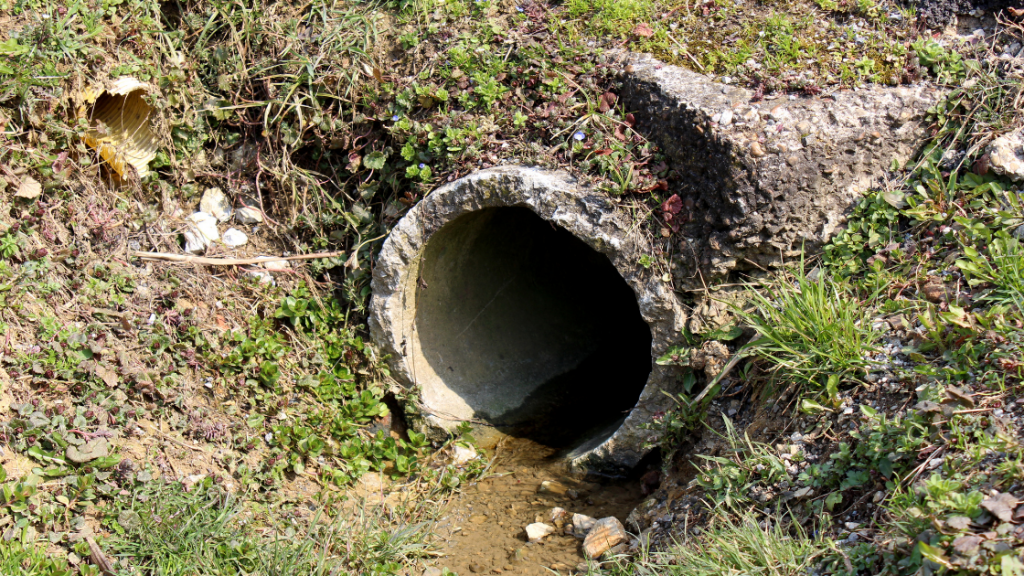
Common Causes of Water Damage

These are some common causes of water damage:
• Clogged Lines
• Broken Seals
• Corrosion
• Damaged Pipe Joints
• Intruding Tree Roots
• Excess Water Pressure
• Loose Water Connectors
• HVACS
• Rapid Temperature Changes
• Weather-related Issues and Natural Disasters
• Crawl Space, Basement and Attic Concerns

Clogged Lines

Clogged drains are nothing but pain. Some clogs can even lead to burst pipes or overflowing. For instance, obstructions in the gutters or in air handler drain pans can often lead to severe water damage. You must keep the gutters clean to prevent such clogs.

Broken Seals

During the installation of your appliances, the contractor would have placed seals around all the water connectors. You can also find seals in other places, such as your dishwasher door. As your appliances get old, the seals may wear out or break. If there is any condensation on your appliances or any puddles near them, these are signs that you may have a broken seal.

Corrosion

As your plumbing system gets old, rust and other types of corrosion may damage your pipes. If you notice any warping or discoloration on your pipes,  have a plumber assess the damage immediately.
If your plumbing system is older, replace the pipes that are at high risk of corrosion for newer ones.

Damaged Pipe Joints

25

The point where your pipes connect often represents the weakest point in a line. As time passes, pipe joints might deteriorate, leading to leaks. Unfortunately, most of the pipe joints are not easily visible.
If you have noisy pipes making a banging or ticking noise, especially when the hot water is turned on, there is a chance that your pipe joints are under great pressure. The most beneficial practice is to have a plumber evaluate the system at least once a year.
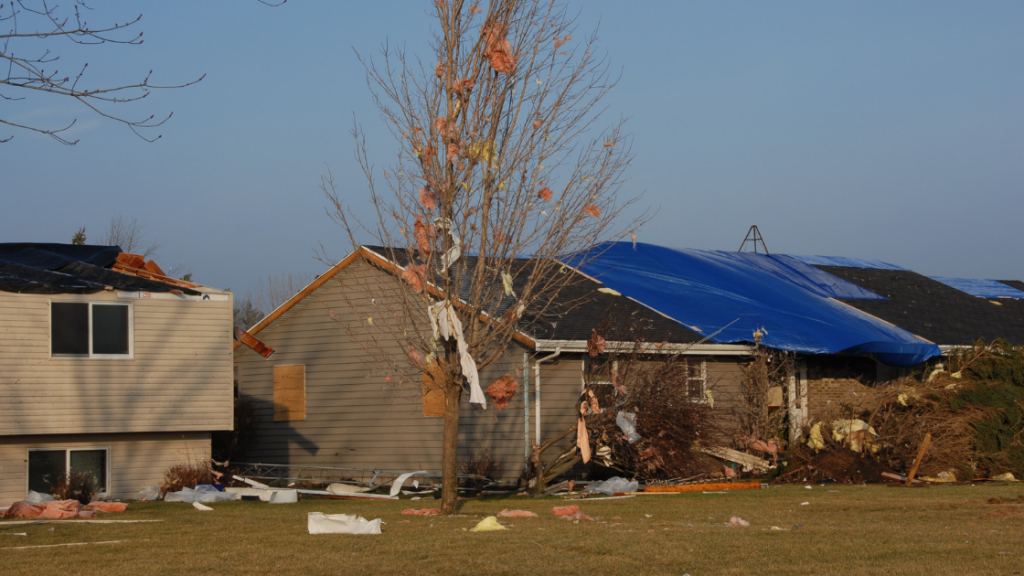
Intruding Tree Roots

Some of the most common water leaks start outside your house rather than inside. For example, if tree roots intrude on water lines, moisture seeps out into your yard. If there is a sudden drop in water pressure, if you see any new sinkholes or wet patches in your yard, or if you have trees growing very close to your house, ask a plumber to check for an intrusion.

Excess Water Pressure

Uneven or excessive water pressure can be a strain on your pipes. Most faucets and pipes have a specific level of water pressure that they can withstand up to. Any extra pressure might cause leaks. If you are concerned about the water pressure, have a professional measure it.

Loose Water Connectors

Sometimes, the pipes and hoses that supply water to your appliances become loose, leading to a leak. Often, due to shifting, loose water connectors occur. For instance, your washing machine hose may cause a leak because of the shaking during the spin cycle.
If a water connector leak is there, you may notice water forming puddles around the appliance or running directly from the supply line.

HVACS

Heating, ventilation and air conditioning units or HVACs are a common cause of water damage. Air conditioners, specifically, need regular servicing, and they can lead to moisture buildup if they are not maintained properly.
When the moisture gets cooled, it might interact with mold spores in the AC ducts and allow mold growth inside.

Rapid Temperature Changes

Extreme temperature changes in the pipes can force them to expand and contract. This expansion and contraction might crack the pipes, especially when it is due to freezing temperatures.

Natural Disasters and Weather-Related Issues

2

While it is true that you cannot control natural disasters and weather-related issues, what you can do is take the preventive measures needed ahead of time to minimize the effects of the disasters on your home.
Hurricanes, sudden storms, and flash floods can all trigger a buildup of water. You must promptly contact the Water Damage Experts as soon as you can after such an issue as it will help reduce the time for water damage to happen.

Crawl Space, Basement, and Attic Concerns

Certain areas of your house are more prone to water damage, such as attics, basements, and crawl spaces. Crawl spaces are those areas that builders add underneath homes to facilitate workers to service piping and electrical wires.
Check your house periodically, and look for light fixtures and the overall quality of the piping.

national damage appraisers
[elementor-template id="4692"]